Herpes simplex keratitis is a viral eye infection caused by the herpes simplex virus (HSV), usually HSV-1, that affects the cornea and can lead to pain, blurred vision, corneal scarring, and even vision loss if untreated. Acyclovir is a widely used antiviral medication that helps control viral replication, reduce symptoms, shorten recovery time, and lower the risk of recurrence. Treatment may include oral acyclovir tablets, antiviral eye ointments, or other prescription antiviral medications depending on the severity of the infection. Early diagnosis and treatment by an ophthalmologist are essential to prevent long-term eye complications.
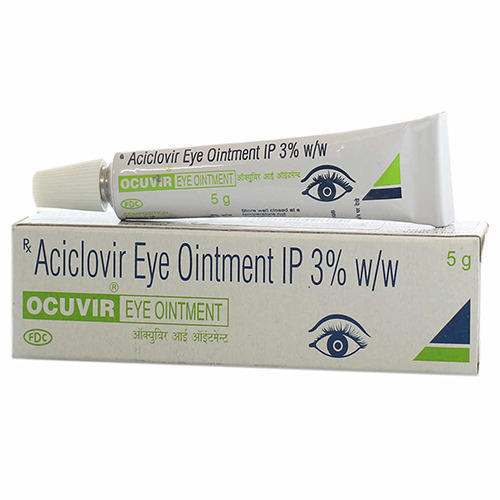
What Is Herpes Simplex Keratitis?
Herpes simplex keratitis (HSK) is a viral infection of the cornea caused by the herpes simplex virus. It is one of the leading infectious causes of corneal blindness worldwide. The condition usually develops when a dormant herpes simplex virus reactivates in the body and spreads to the eye.
The infection primarily affects the transparent front surface of the eye called the cornea. In mild cases, it may cause irritation and redness, while severe infections can damage deeper corneal layers and affect vision permanently.
Many people confuse herpes keratitis with common eye infections such as conjunctivitis. However, herpes simplex keratitis specifically involves viral inflammation of the cornea and often requires antiviral treatment.
Symptoms of Herpes Simplex Keratitis
Symptoms can vary depending on the severity and depth of the infection.
Common Symptoms
- Eye redness
- Eye pain or irritation
- Watery eyes
- Blurred vision
- Sensitivity to light (photophobia)
- Foreign body sensation
- Swollen eyelids
Severe Symptoms
- Corneal ulcers
- Reduced vision clarity
- Persistent inflammation
- Corneal scarring
Anyone experiencing sudden eye pain or vision changes should seek immediate medical attention, as untreated herpes keratitis may result in permanent vision damage.
What Causes Herpes Eye Infections?
Most herpes simplex keratitis cases are linked to HSV-1, the same virus responsible for cold sores. After the initial infection, the virus remains inactive in nerve tissues and may reactivate later.
Common Triggers for Recurrence
- Physical or emotional stress
- Fever or illness
- Excessive sunlight exposure
- Weak immune system
- Eye trauma or surgery
Recurring infections are common and may increase the risk of corneal complications over time.
How Acyclovir Works for Herpes Simplex Keratitis
Acyclovir is an antiviral medication that helps stop the herpes simplex virus from multiplying. It does not completely eliminate the virus from the body, but it reduces viral activity and helps the eye heal more effectively.
Benefits of Acyclovir for Eye Herpes
- Reduces viral replication
- Speeds up healing
- Relieves symptoms
- Lowers the risk of corneal scarring
- Helps prevent recurrent outbreaks
Doctors may prescribe:
- Oral acyclovir tablets
- Antiviral eye ointments
- Combination antiviral therapies
Treatment choice depends on the severity of the infection and whether deeper corneal layers are affected.
Oral vs Topical Acyclovir for Eye Herpes
Both oral and topical antiviral medications are used for herpes simplex keratitis.
Oral Acyclovir
Oral tablets are commonly prescribed for moderate to severe infections or recurrent outbreaks. Oral treatment may also help reduce future recurrences.
Topical Acyclovir Eye Ointment
Topical antiviral ointments are applied directly to the eye to target surface-level viral activity.
In some cases, ophthalmologists may combine oral and topical treatments for better control of the infection.
Acyclovir Dosage for Herpes Simplex Keratitis
The dosage and duration of acyclovir treatment depend on the type and severity of herpes keratitis.
Doctors consider:
- Patient age
- Severity of infection
- Frequency of recurrence
- Immune system health
- Other medical conditions
It is important not to self-medicate or stop treatment early, as incomplete treatment may increase recurrence risk.
Medical Disclaimer: Acyclovir dosage should only be determined by a licensed healthcare professional or ophthalmologist.
Possible Side Effects of Acyclovir
Most people tolerate acyclovir well, but some side effects may occur.
Common Side Effects
- Nausea
- Headache
- Mild eye irritation
- Dry eyes
Rare Side Effects
- Allergic reactions
- Kidney-related complications
- Severe eye discomfort
Seek medical attention immediately if severe symptoms develop during treatment.
Can Herpes Simplex Keratitis Recur?
Yes. Herpes simplex keratitis is known for recurring episodes because the herpes virus remains dormant in the body even after treatment.
Some individuals experience frequent recurrences, while others may have only occasional flare-ups.
Recurrence Prevention Tips
- Follow prescribed antiviral therapy
- Protect eyes from excessive sunlight
- Manage stress
- Attend regular eye checkups
- Avoid touching or rubbing infected eyes
Long-term antiviral therapy may sometimes be recommended for patients with repeated infections.
When to See an Ophthalmologist
Immediate evaluation by an eye specialist is important if you experience:
- Sudden blurred vision
- Eye pain
- Light sensitivity
- Persistent redness
- Recurrent eye infections
Early treatment can significantly reduce the risk of long-term corneal damage and vision loss.
Frequently Asked Questions About Acyclovir and Herpes Simplex Keratitis
Herpes simplex keratitis is a viral eye infection caused by the herpes simplex virus that affects the cornea. It may cause redness, pain, blurred vision, and sensitivity to light.
Yes. Acyclovir is commonly used to treat herpes eye infections by reducing viral replication and helping the cornea heal.
Acyclovir is considered an effective antiviral treatment for herpes simplex keratitis when started early under medical supervision.
Acyclovir helps control and manage herpes eye infections, but the virus can remain dormant in the body and reactivate later.
Untreated herpes keratitis may lead to corneal scarring, chronic inflammation, reduced vision, or permanent vision loss.
Dosage varies depending on infection severity and patient health. Only a healthcare professional should prescribe the correct dosage.
Many patients begin noticing improvement within several days, although complete healing may take longer depending on the severity of the infection.
Long-term antiviral therapy with acyclovir may help reduce the frequency of recurrent outbreaks in some patients.
Both treatments can be effective. Ophthalmologists choose oral or topical treatment based on the type and severity of the infection.
Yes. Severe or untreated herpes simplex keratitis can damage the cornea and potentially lead to vision loss or blindness.
Conclusion
Herpes simplex keratitis is a serious viral eye infection that requires prompt medical attention to prevent complications. Acyclovir plays an important role in managing eye herpes by reducing viral activity, easing symptoms, and lowering recurrence risk. Early diagnosis, proper antiviral treatment, and regular follow-up with an ophthalmologist are essential for protecting long-term eye health and vision.
Disclaimer: This article is for informational purposes only and should not replace professional medical advice, diagnosis, or treatment. Always consult a qualified healthcare provider for medical concerns related to eye infections or antiviral medications.